
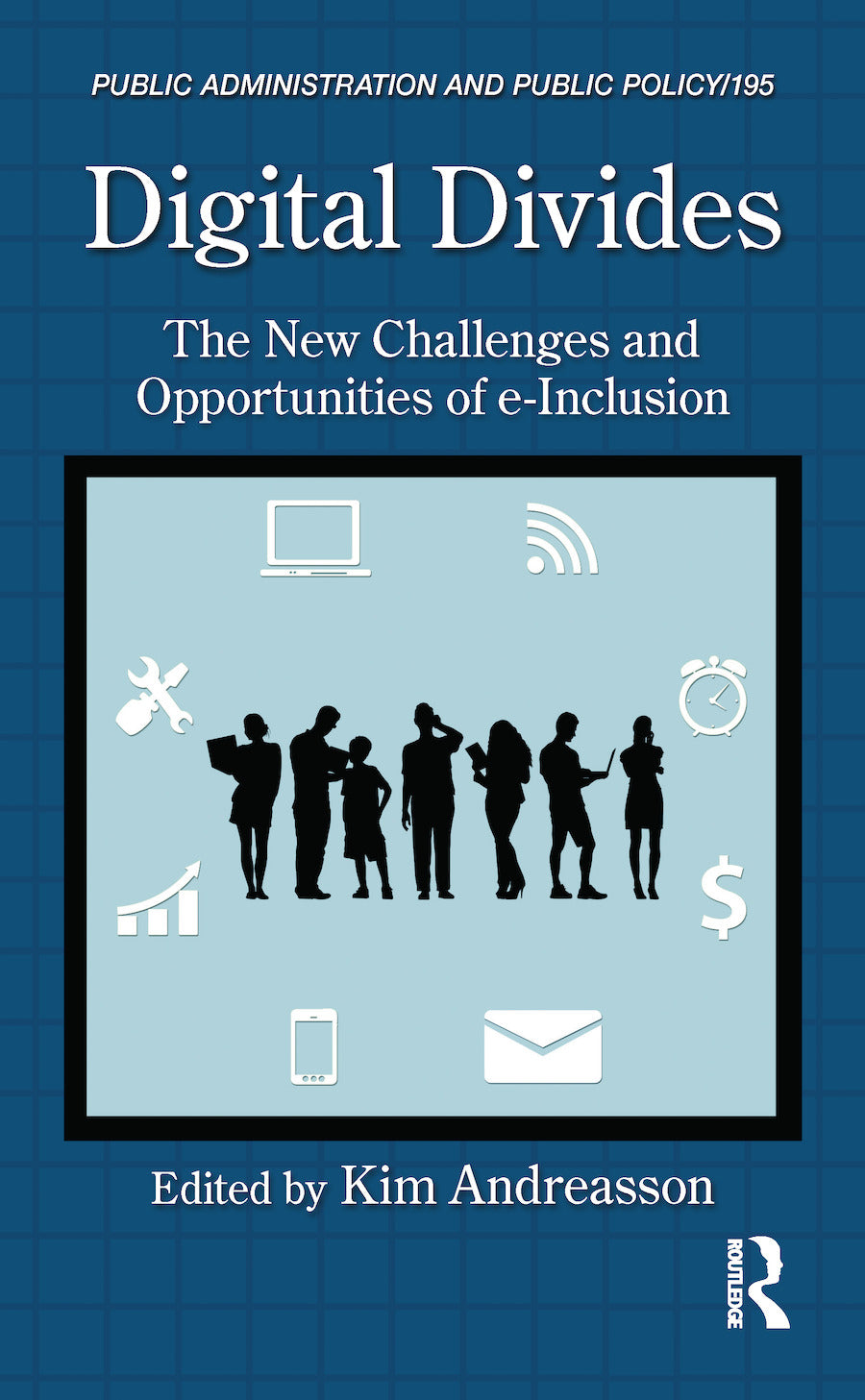


The rapid development of the information society has accentuated the importance of digital navides, which refer to economic and social inequalities among populations due to differences in access to, use of, or knowledge of information and communication technologies (ICT). This book discusses the current state of digital navides, ranging from global challenges in universal access to new opportunities for greater digital inclusiveness (e-inclusion).
The first part of the book illustrates current challenges and provides examples from emerging markets and developed countries alike. It covers digital navides facing a developing country like Ghana and the range of navides in large places like Australia, China, and Russia. It also discusses digital skill navides in Europe and the digital gender navide, which shows that there are more men online than women.
The second part of the book focuses on e-inclusion and describes recent efforts to bridge digital navides through a number of initiatives. It explores the inclusion programs in Singapore, the efforts in India to leverage mobile devices, and how a UK nongovernmental organization attempts to bridge existing gaps there. It also assesses programs in several countries that provide computers to youth.
The book concludes with a view toward the future, including challenges in determining outcomes in ICT for development (ICT4D) and anticipated new navides. It introduces the cyber dependency matrix to illustrate where countries are in their journey toward an information society and what happens as they reach higher levels. Emerging concerns include a global information navide, courtesy of cyber security and data policies.
Be the first to review “Digital Divides – Hardback Release Dates Authentic”
Related products

Biological Sciences

Biological Sciences
Lean Daily Management for Healthcare Field Book – Hardback Cheap Extremely

Biological Sciences

Biological Sciences
Reviews
There are no reviews yet.